Short answer
This disclosure explains how MassageChairsTested.com handles relationships, incentives and editorial independence. We are an independent, reader-first guide: we do not sell massage chairs, and no brand, retailer or showroom can pay to be ranked, rated or featured. If commercial relationships such as advertising, affiliate links, referrals or sponsorships are ever active, we disclose them plainly and keep them walled off from editorial judgment — they never override our standards, methodology or claim-safety rules.
Our transparency framework at a glance
- Editorial independenceWe work for the reader, not for a sale.
- CompensationIf money is ever involved, we label it plainly.
- RelationshipsAny brand or retailer tie is disclosed, not hidden.
- Local guidesRegional pages are guidance, never doorway promotion.
- Review standardsSignals and patterns, never paid rankings.
- Medical-claim cautionComfort and relaxation, never treatment promises.
- Updates & correctionsWe date pages and fix errors in the open.
- Reader contextUse guides as support, then verify before buying.
In plain language
- Commercial relationships may exist or change over time — when they do, we disclose them where it’s relevant.
- A mention is recognition, not an automatic endorsement.
- Compensation, if any, never buys a ranking, a rating, or a recommendation.
- Links are navigation or referral context, not a signal to stop comparing.
- Our editorial standards and methodology still apply to every page.
- Always verify current price, warranty, service and availability directly before you buy.
Key terms
- Disclosure
- A plain statement of the relationships, incentives and limitations that could shape what you read, so you can weigh our guidance with context.
- Affiliate link
- A link that could pay the publisher a commission if you click through and buy. We don’t build guidance around them, and any that exist would be labeled.
- Referral relationship
- An arrangement where a publisher is compensated for sending readers to a seller. If one were ever active, it would be disclosed, not hidden in a link.
- Sponsored content
- Content a third party pays to place. It is not independent editorial evaluation, so it must be clearly labeled as sponsorship and held to our claim-safety rules.
- Paid placement
- Paying to appear, rank higher, or be featured. We do not sell placement, and any paid unit would be labeled rather than disguised as a neutral verdict.
- Editorial independence
- Writing for the reader’s decision rather than a transaction — so no commercial relationship can change our criteria or conclusions.
- Mention vs endorsement
- A mention helps you recognize a name you’ll meet while shopping. An endorsement recommends buying it. We do the first, not the second.
- Conflict of interest
- Any incentive that could pull guidance away from the reader’s interest. Where one could exist, we disclose it instead of pretending none ever could.
- Medical disclaimer
- A reminder that our guidance is consumer education about comfort and relaxation, not medical advice, diagnosis, or treatment.
Our disclosure promise
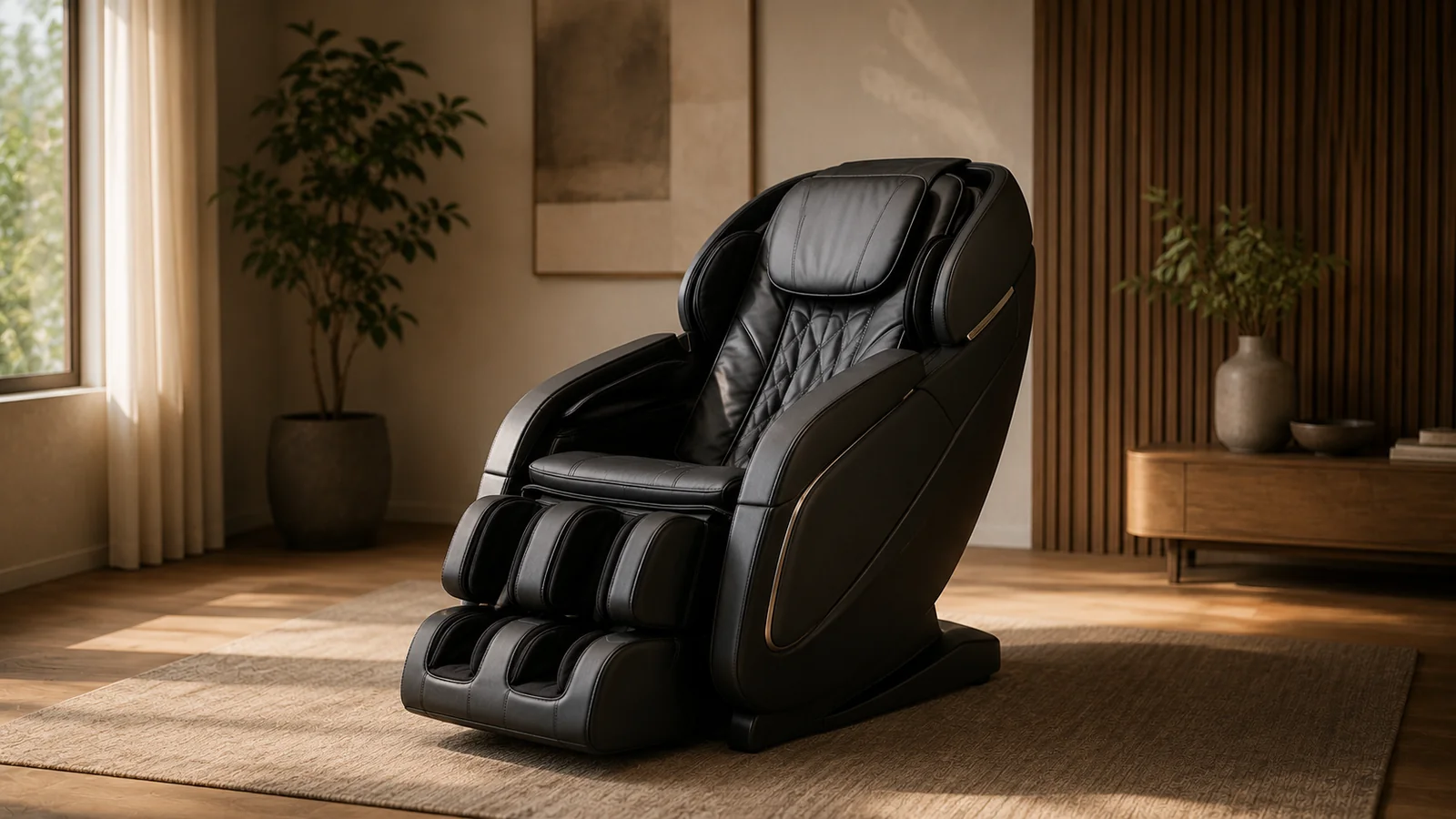
Trust is the only thing a buying guide really sells, so we want to be clear about how this site works before you read anything else. You deserve to know what may influence content, and the honest answer is that commercial relationships can exist in any publishing model and can change over time. Our promise is not that we are above incentives — no one is — but that we disclose them clearly, keep them separate from editorial judgment, and let our methodology, not money, decide what a page says.
We won’t overpromise, either. You won’t see us claim to be “guaranteed unbiased” or “certified independent,” because those are slogans, not safeguards. What we offer instead is transparency you can check: visible relationships, stated limitations, and guidance that reads the same regardless of who is involved. Transparency supports trust, but it does not replace your own verification — this disclosure is a starting point for reading the site with context, not a reason to skip comparing for yourself.
- Relationships should be transparent and stated plainly.
- A link may carry navigation, context, or referral information.
- Compensation, if any, is labeled where it’s relevant.
- Our methodology and editorial standards still apply.
- That every mention is paid for.
- That a link is an automatic endorsement.
- That any ranking or rating can be bought or faked.
- That you can skip verifying details before buying.
What this disclosure covers
Disclosure only helps if you know what it applies to. These are the relationships and boundaries this page is meant to address — whether or not each one is active today. Where any of them ever applies to a specific page, we say so in context rather than burying it here.
Affiliate links
Links that could earn a commission on a purchase. We don’t build guidance around them; any would be labeled.
Referral relationships
Being compensated for sending readers to a seller. If ever active, it would be disclosed, not hidden.
Sponsored content
Anything a third party pays to place. It would be clearly labeled and never dressed up as editorial.
Paid placement
Paying to appear, rank, or be featured. We do not sell placement of any kind.
Brand relationships
Any tie to a manufacturer or brand. Brand names appear for recognition, not endorsement.
Retailer & showroom relationships
Any tie to a seller or showroom. We don’t operate, promote, or endorse a specific store.
Product references
When we name a chair or feature, it’s for context and comparison, never a ranked verdict.
Local guide references
Regional pages are decision support for an area, not a directory or a hidden referral.
Methodology limitations
What our review and showroom methods can and cannot verify for you.
Medical-claim boundaries
Where comfort-and-relaxation language ends and treatment claims — which we avoid — begin.
Editorial independence
Editorial independence is the reason this disclosure matters. Our content is built around reducing buyer risk, so recommendations are criteria-based: where we compare, we say on what basis, because the right chair depends on your body, budget and space. Disclosure sits alongside that independence — it does not replace it. Telling you a relationship exists would never excuse bending a page; the standards still decide what we publish.
In practice, independence means a few firm lines:
- No fake rankings. No “best chair” leaderboards, star scores, or invented awards and certifications.
- No “best” without method. Any comparison states its criteria instead of declaring a single winner.
- No hidden retailer pages. We don’t quietly promote a store or disguise a sales page as editorial.
- No competitor attacks. We explain how to evaluate any seller, rather than running down a named one.
- Stated limitations. We say plainly what we can’t verify, so you know where your own judgment takes over.
The full set of principles behind this lives in our editorial standards .
Affiliate links, referral fees or compensation
We’d rather address this plainly and high on the page than tuck it into fine print at the bottom. Today there is nothing to buy here — no prices, carts, or “add to basket” — and no brand or retailer can pay us to rank, rate, or feature them. To help sustain the work, the site may at some point earn compensation through advertising, affiliate links, referral arrangements, partnerships or sponsorships. If and when any of those are active, two rules always apply.
Affiliate links and referral relationships
If an affiliate link or referral arrangement is ever in place, it would be labeled in plain English, in context, so you never have to guess whether money is involved. A link should be read as navigation or referral context — a convenient way to find something — not as an automatic endorsement. Whether or not a link earns anything, you should still compare warranty, service, delivery, reviews and showroom standards before you act on it.
Compensation and editorial override
Compensation may fund the work, but it can never decide what the work says. A commercial relationship has no effect on whether or how we cover a brand, retailer or product; the guidance reads the same either way. We don’t claim we will “never earn money,” because that wouldn’t be honest about how publishing works — we claim that money and editorial stay on opposite sides of a wall.
| Dimension | What a disclosed relationship may do | What it must never do |
|---|---|---|
| Funding | Help sustain free, no-sign-up guidance | Buy a ranking, rating, or recommendation |
| Visibility | Appear as a clearly labeled ad or affiliate link | Pose as independent editorial evaluation |
| Coverage | Be disclosed where it is relevant | Change our criteria or our conclusions |
| Your decision | Be one more factor you can weigh | Replace verifying the details yourself |
Sponsored content and paid placement
Sponsorship and paid placement are different from advertising links, and they carry a higher risk of blurring the line between guidance and selling — so we treat them carefully. We do not sell placement, rankings, or favorable mentions, and there is no premium tier for brands or retailers. If sponsored content ever appears, it should be distinguishable from editorial at a glance.
- Sponsored content would be labeled as a sponsorship or advertisement, not slipped in as a neutral review.
- Paid placement is never disguised as an independent editorial evaluation or a “winner.”
- Sponsorship cannot override claim-safety rules. No fake ratings, no awards, and no medical-sounding promises — ever.
- You should always be able to tell editorial guidance apart from anything a third party paid to place.
| Question | Editorial content | Sponsored or paid content |
|---|---|---|
| Can payment change it? | No | No — kept separate from editorial judgment |
| Is it labeled? | It’s clearly editorial | Yes — labeled as an ad, sponsorship, or affiliate link |
| Does it set rankings? | No rankings at all | No — placement is never sold |
| Must it follow claim-safety rules? | Yes | Yes — no fake ratings or medical claims |
Brand, retailer and showroom references
You’ll see brand, retailer, product and showroom names across our guides. That is for recognition and comparison, not endorsement. When you walk into a showroom or browse online, you’ll meet specific names, and it helps to know what they refer to and what to look at when you sit in a chair. Naming something is not a recommendation to buy it, and leaving something out is not a criticism — we simply can’t name everything, and availability and policies change.
Brand references and retailer references
We treat every brand and every retailer the same way, against the same practical criteria, and we don’t operate or promote any specific store. Because local availability, pricing, warranty and service terms change, a reference here is a starting point, not a guarantee — verify current details directly with the seller before you decide.
- You’ll meet this name while shopping, so we help you recognize it.
- It’s context for what to look at when you test a chair.
- It’s treated the same way as every other name.
- That we endorse or recommend buying it.
- That leaving a name out is a criticism of it.
- That price, availability or terms are confirmed — verify those yourself.
Our guide to reading massage chair reviews goes deeper on spotting endorsement language dressed up as neutral advice.
Local showroom guide disclosure
Local pages are easy to abuse, so we hold them to a strict standard. Our regional guides are buyer decision-support pages — they help you shop an area more confidently. They are not doorway pages, not “near me” keyword stuffing, and they do not secretly promote one store. A link to a local guide is guidance, not an endorsement of any business in that area.
- No fake local rankings and no fabricated “verified” locations.
- The same showroom verification criteria and limitations apply everywhere.
- Hours, model availability, warranty, service and delivery details can change — confirm them directly before you visit.
See how we judge any showroom in our showroom verification methodology , and the regional guidance itself in our California massage chair showroom guidance and Bay Area massage chair showroom guidance .
Review and comparison disclosure
Reviews are useful but easy to misread, so here’s how to read ours: review signals are not proof, and a single star rating is rarely enough. We separate what people are actually reviewing — the product, the retailer, and delivery and service — because one good or bad experience in one area shouldn’t mask another. Comparisons are criteria-based, and we never crown a “winner” unless a stated method genuinely supports it.
- Product reviewsHow the chair feels, fits, sounds and holds up over time.
- Retailer reviewsHow the seller communicates, prices, and stands behind the sale.
- Delivery & service reviewsHow delivery, installation and later repairs actually went.
Crucially, our review and comparison pages are not affiliate rankings in disguise. No commercial relationship turns into a star score or a sponsored “top pick.” The full reasoning lives in our review methodology .
Medical and wellness claim disclosure
Massage chairs are often marketed with wellness language, so we’re deliberately careful here. MassageChairsTested.com does not provide medical advice, and we do not represent massage chairs as diagnosing, treating, curing or preventing any disease. Medical-sounding claims require caution: reviews are anecdotes, not medical proof, and showroom testing shows comfort, not medical outcomes. If sponsored or referenced content ever makes a treatment-style claim, that does not make it true — our claim-safety rules still apply.
Note
Massage chairs should be evaluated for comfort, relaxation, pressure preference, body fit, and temporary relief of minor muscle tension. They should not be treated as a substitute for medical diagnosis or treatment. If you have a diagnosed condition, are pregnant, or have any health concern, consult a qualified healthcare professional first. See our medical disclaimer and how we read massage chair health claims .
Corrections, updates and limitations
Information in this category changes, and so can this disclosure. Product, brand and showroom availability shift; warranty, service and delivery policies get revised; and commercial relationships themselves can begin or end. Because of that, this page is the single source of truth for how the site is funded and operated — if our relationships change, we update it here and note the change.
- Every page carries a visible last updated date, shown at the foot of this one.
- When we identify a genuine error, we correct it in the open rather than quietly editing it away.
- We keep our limitations visible instead of implying certainty we don’t have.
We don’t promise perfect, permanent accuracy — no honest guide can. We promise to keep pages current and to fix what’s wrong. The full process lives in our correction policy , and if you spot something that looks off, we want to hear about it.
How readers should use this site
Disclosure works best paired with a little healthy habit on your side. Treat our guides as decision support, not the final word, and don’t rely on one page, one mention, one link, or one claim. The checklist below is the same one we’d use ourselves — a quick way to read this site, and any other, with context. Your ticks are saved on this device only, with no account and no email.
A buyer-verification habit you can apply to any source, including this one.
Frequently asked questions
What is MassageChairsTested.com’s disclosure policy?
We are an independent, reader-first guide that does not sell massage chairs and does not take payment to rank, rate, or feature anyone. If commercial relationships such as advertising, affiliate links, referrals, or sponsorships are ever active, we disclose them plainly and keep them separate from editorial judgment. This page is the single source of truth, and we update it whenever our funding or relationships change.
Does MassageChairsTested.com use affiliate links?
Our guidance is not built around affiliate links or “buy now” buttons, and there is currently nothing to purchase here. We may add advertising or affiliate links in future to help sustain the work. If we do, each one would be labeled in plain English, in context, and treated as referral or navigation — never as an automatic endorsement or a paid ranking.
Can MassageChairsTested.com earn referral fees?
Potentially, like most publishers — through advertising, affiliate links, referrals, partnerships, or sponsorships. We won’t claim we will “never earn money,” because that wouldn’t be honest about how publishing works. What we promise is that any such relationship would be disclosed where relevant and kept walled off from editorial, so it can fund the work but never decide what a page says.
Do brands or retailers influence the content?
No. No brand or retailer can pay to be ranked, rated, featured, or mentioned more favorably, and none approves our wording. A commercial relationship, present or future, has no effect on whether or how we cover anyone — the guidance reads the same either way. Brand and retailer names appear for recognition and comparison, against the same criteria for everyone.
Are showroom guides paid placements?
No. Our local and showroom guides are buyer decision-support pages, not paid placements or doorway pages, and they don’t secretly promote one store. We don’t operate or endorse a specific showroom. The same verification criteria and limitations apply everywhere, and you should confirm hours, model availability, warranty, service, and delivery details directly before visiting.
Does compensation affect recommendations?
No. Compensation, if any exists, may help fund the site but can never buy a ranking, a rating, or a recommendation. We don’t publish “best chair” lists or sell placement, so there is no ranking for money to influence. Our criteria and conclusions are set by methodology, and any paid unit would be labeled rather than disguised as an independent verdict.
What does a brand or showroom mention mean?
A mention is recognition, not endorsement. You’ll meet specific names while shopping, so we help you know what they refer to and what to evaluate. Naming something isn’t a recommendation to buy it, and leaving something out isn’t a criticism. A mention also doesn’t confirm price, availability, or terms — verify those directly with the seller.
How does MassageChairsTested.com handle medical claims?
Cautiously. We don’t provide medical advice, and we don’t represent massage chairs as diagnosing, treating, curing, or preventing disease. We describe comfort, relaxation, and temporary relief of minor muscle tension, and treat treatment-style claims as language that needs caution. Reviews and showroom testing don’t prove medical outcomes. For any diagnosed condition or health concern, consult a qualified healthcare professional.
How are disclosures updated?
This page is the single source of truth, and it carries a visible “last updated” date. If our funding model or any commercial arrangements change, we revise this disclosure to describe them and note the change. We don’t promise permanent accuracy — we promise to keep it current and to correct genuine errors in the open rather than editing quietly.
Where can I read the editorial standards?
Our editorial standards explain the principles behind every page, and our review methodology and showroom verification methodology show how those principles work in practice. For health language, see the medical disclaimer. Together with this disclosure, they let you check our independence rather than take it on faith.
Related trust pages
Disclosure is one part of how we stay accountable. These pages show the standards and methods behind every guide — read them alongside this one to judge our independence for yourself.
Editorial standards
The principles behind what we publish, and the line we hold between guidance and selling.
Review methodology
How we describe chairs rather than rank them, and separate product, retailer and delivery signals.
Showroom verification methodology
The observable criteria we use to describe a worthwhile showroom — and the limits of what we can verify.
Medical disclaimer
Why we treat health and wellness language cautiously, and when to consult a professional.
Read With Context
Use our guides with full context
Transparency works best alongside your own verification. Start with the standards and methodology behind every page, then compare on your own terms before you buy.
Last updated: July 2026 · Editorial standards · Disclosure